
June 2024
A Digital Strategy course, a team of six: we pick Milano Abitare — the City of Milan's programme against high rents — and I take the direction of it, from the analysis to the final artwork. The programme exists, the tools exist too, but participation is low. The opening question: which audiences do we engage, and with what strategy?
The brief did not ask us to sell more, but something more uncomfortable: to work out who to talk to. That is the logic of every brand, social or commercial — when the right audience is not obvious, finding it is already half the strategy.

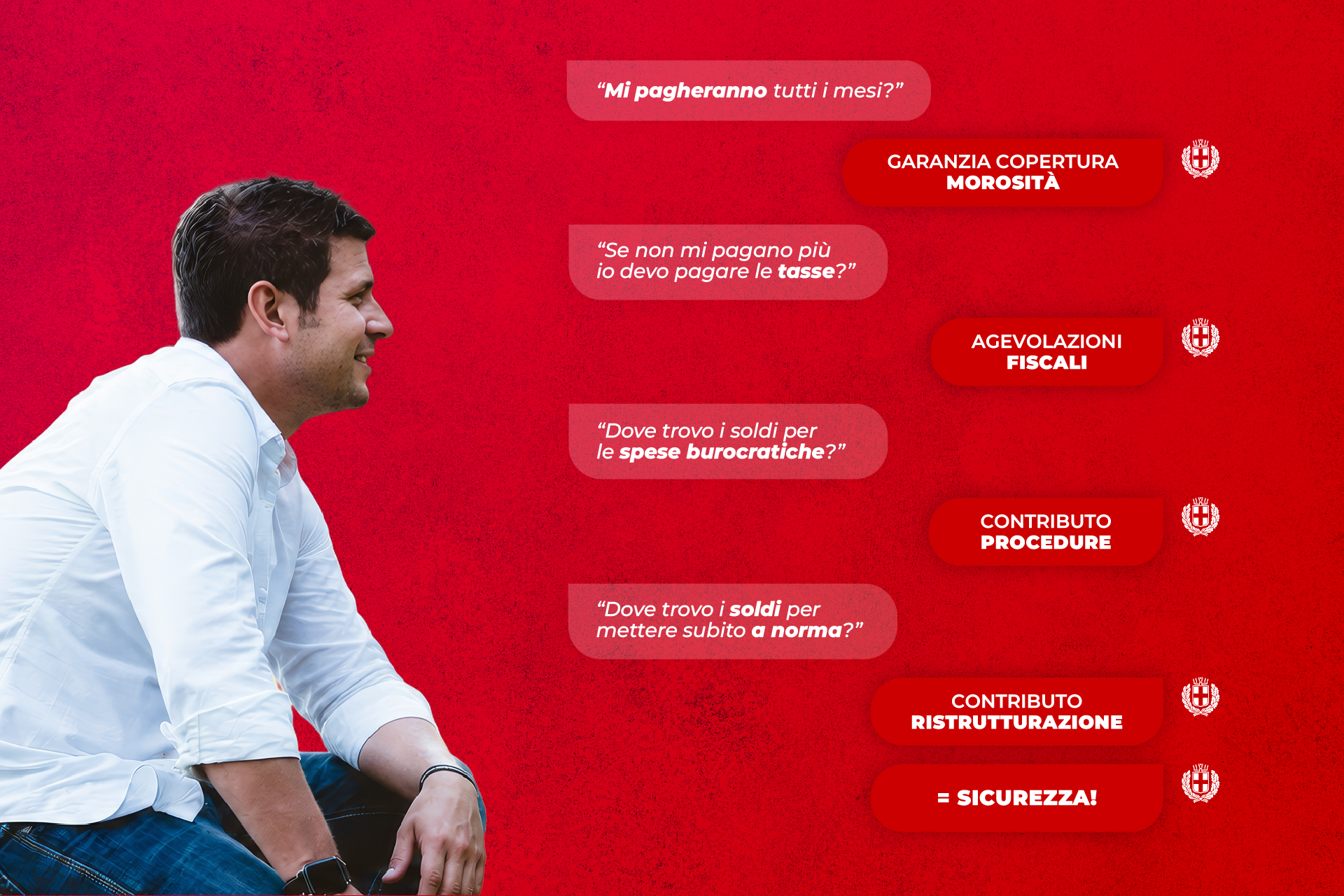
In Milan the demand for homes is extremely high and supply is scarce, and yet thousands of flats sit empty: what blocks supply are the owners, who do not rent out because they are afraid. The fears are always the same — the tenant who does not pay and does not leave, the taxes owed anyway, the paperwork costs, bringing the property up to code. So: who answers those fears?

The real audience is not the people looking for a home, but the people who own one and are afraid to rent it out — and those fears already have an answer in what Milano Abitare offers: a guarantee against unpaid rent, grants for renovation and procedures. The focus of the problem moves from the product to perception and trust, and those are things communication can change.
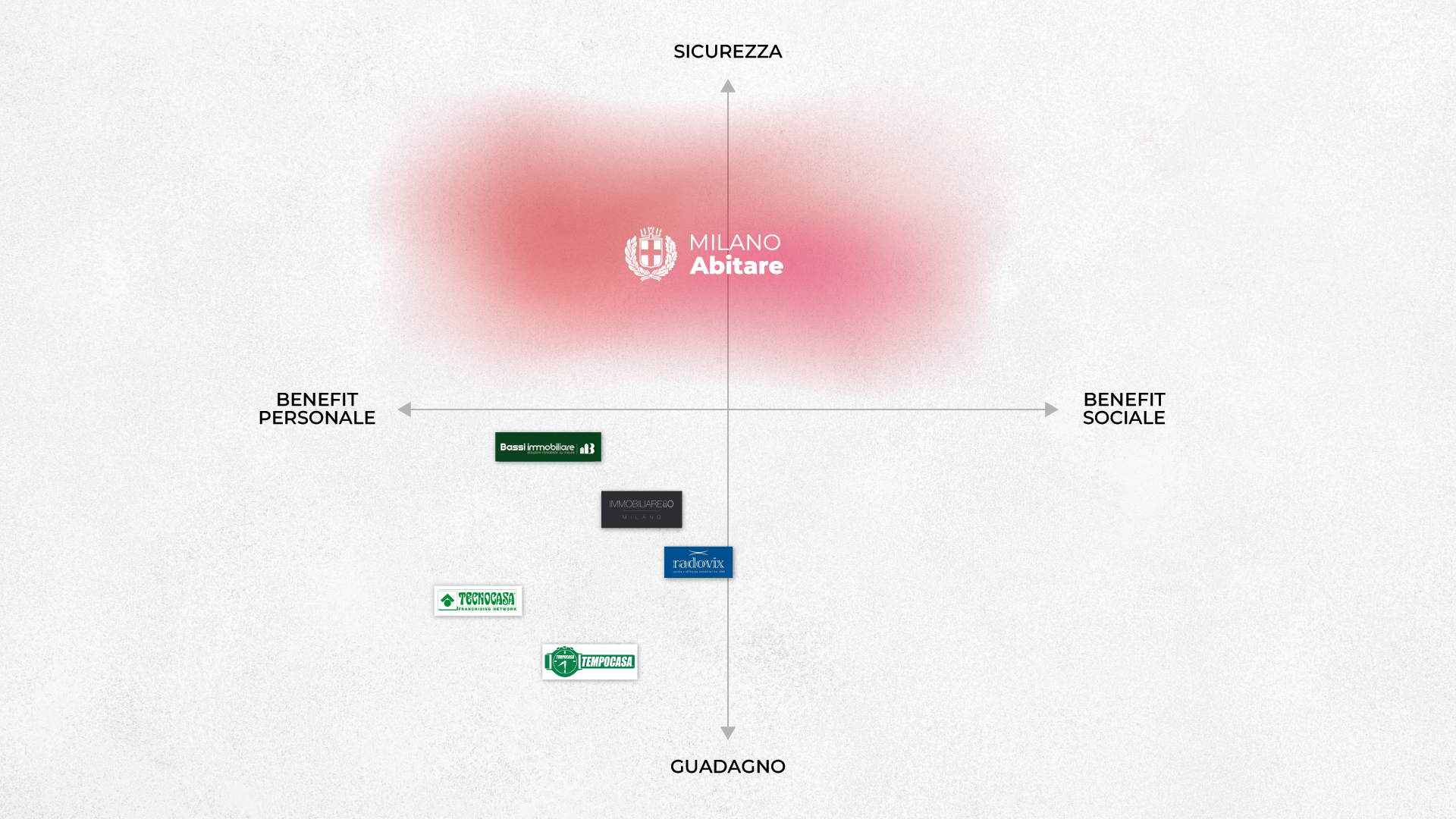
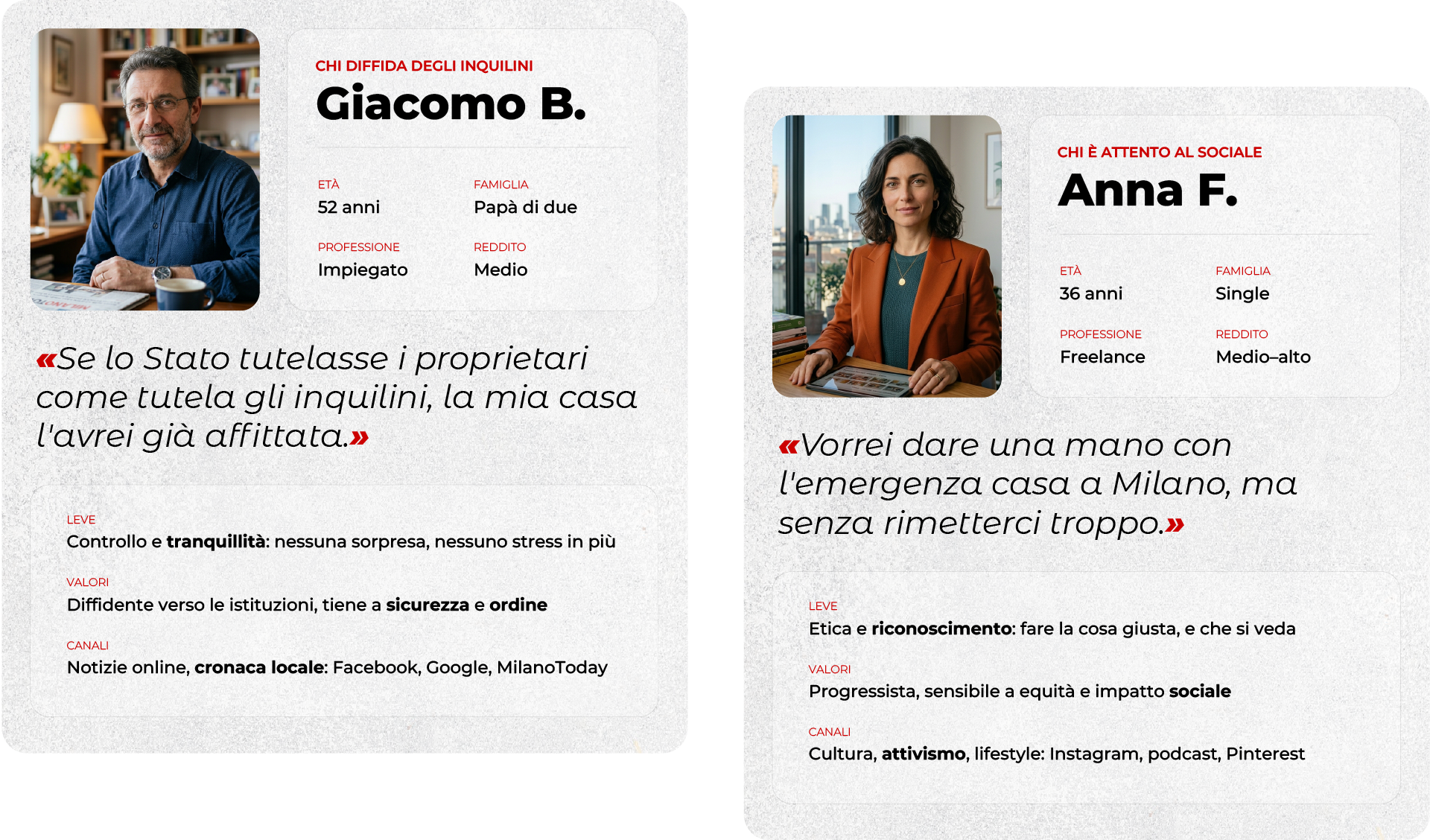
On return the competitors win; on security — grants, guarantees, protections — they are simply absent, and that gap becomes the positioning. The target narrows to sceptical owners, split into two profiles: those who distrust tenants, who want individual protection, and those who care about social impact, who tie that same protection to a collective benefit. Same message, two languages.
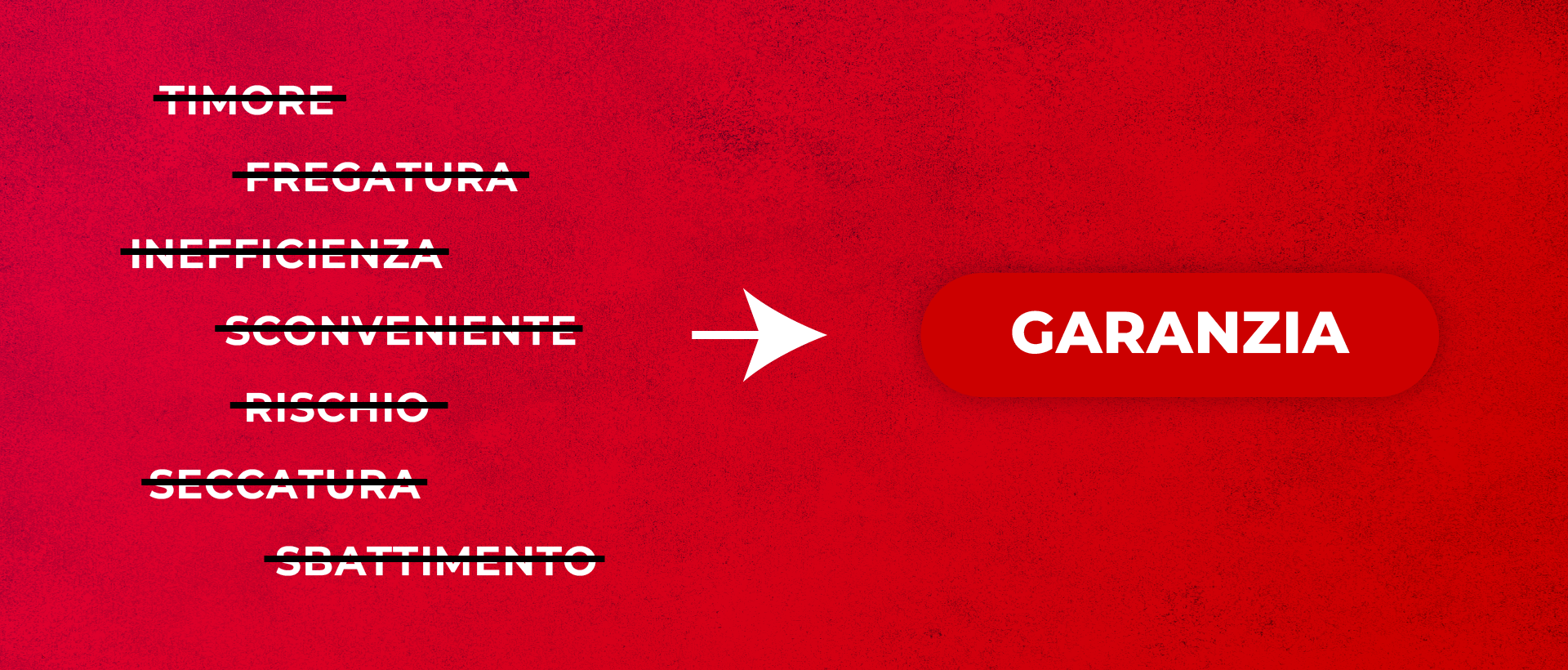
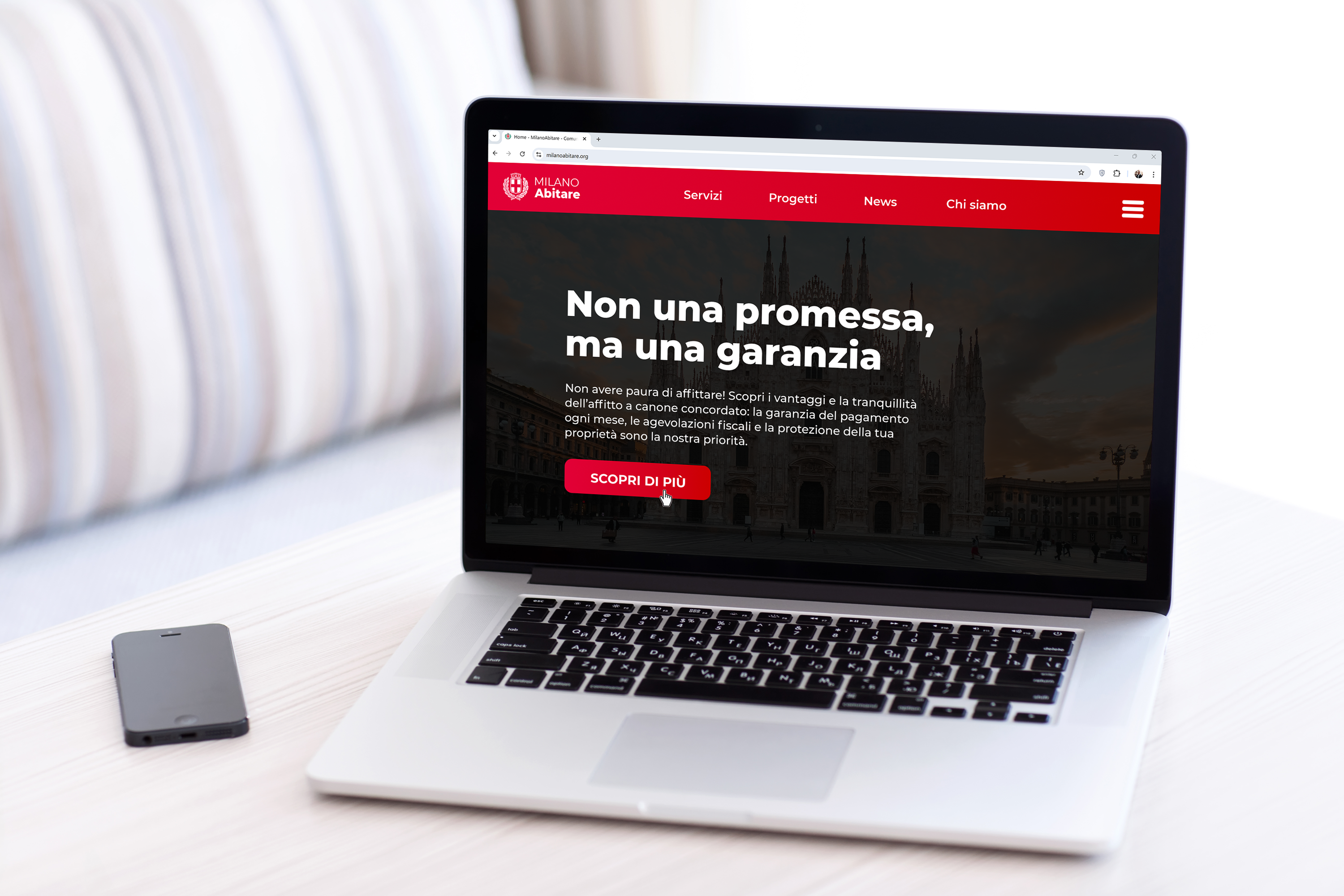
The difference becomes the concept: "Not a promise, but a guarantee". The mechanism carries over to every format — the owner's fear becomes the question, Milano Abitare's protection becomes the answer — and unfolds into two user journeys: same promise, different fears and channels per cluster.
Those who distrust tenants get a direct tone, leaning on individual protection; those who care about social impact get a values-led tone, leaning on collective impact.
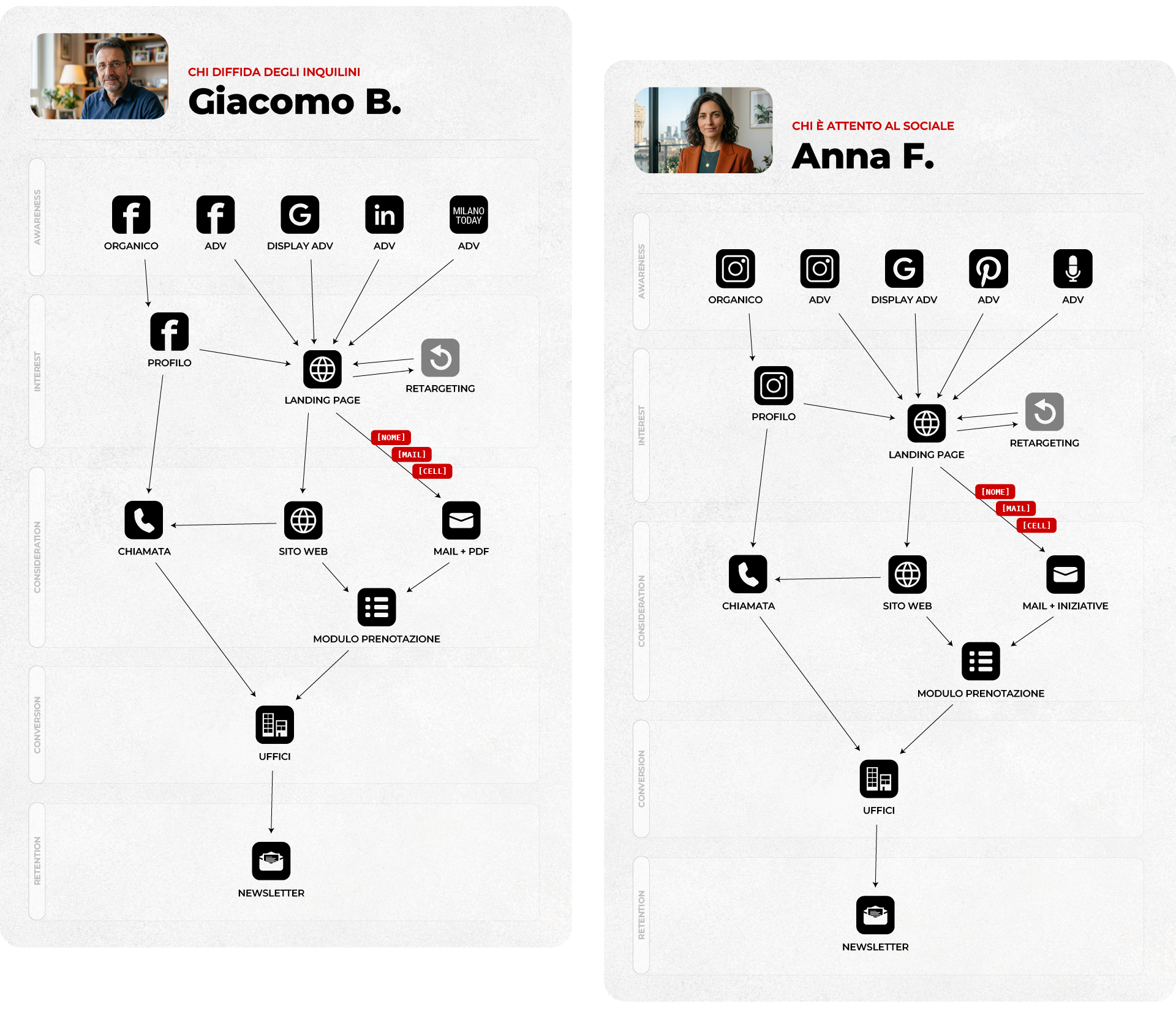
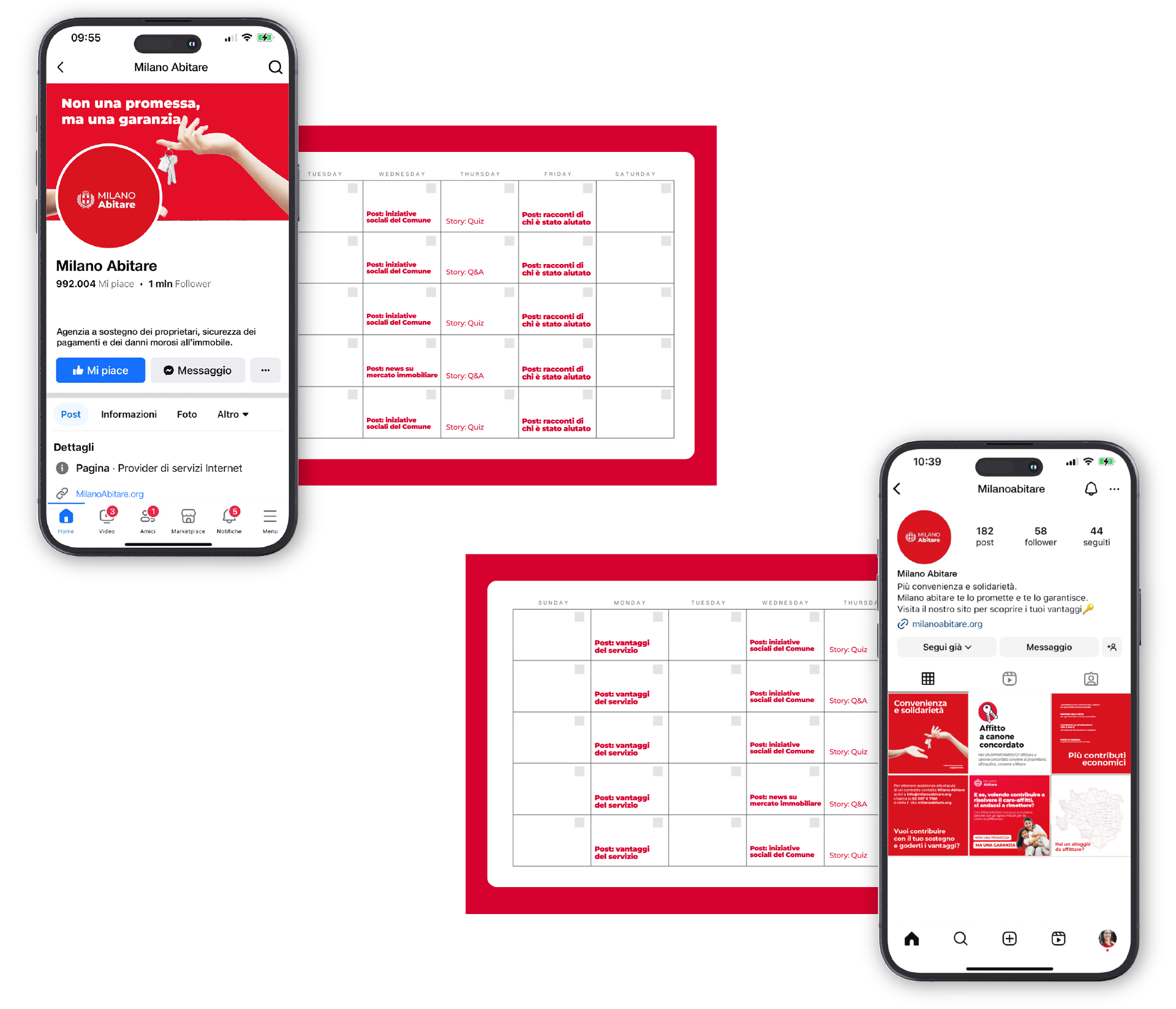
The concept unfolds across every channel of the two journeys — social, display, organic, website, newsletter — with a differentiated media mix and a scheduled editorial plan. The deliverable is a complete strategy document, but the real value is the coherence: a single idea that holds from the insight to the last ad, which is what happens when there is one mind steering.
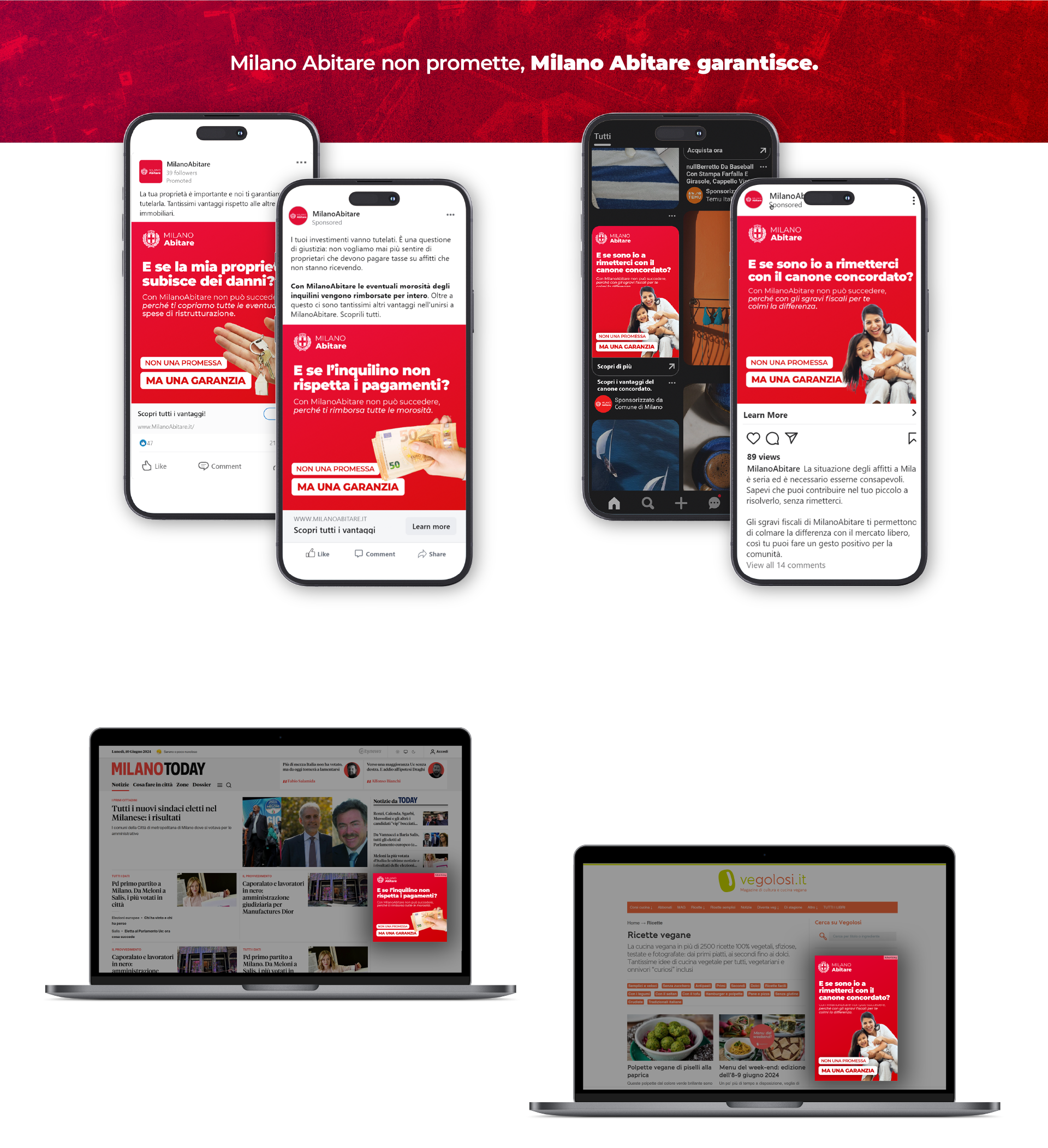
The right audience was afraid to rent out.